Erik Werner · 14 September 2026
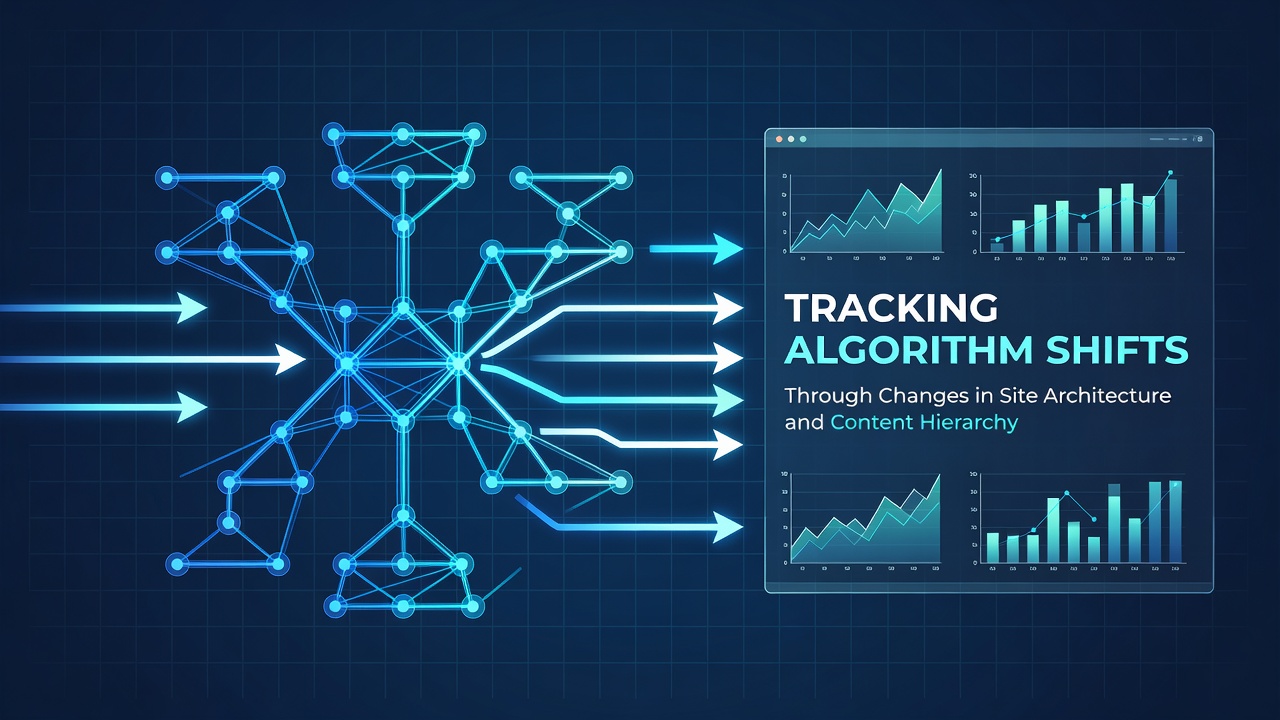
Tracking Algorithm Shifts Through Changes in Site Architecture and Content Hierarchy
Search engines adjust their ranking systems on a regular basis, and observers note that these adjustments often become visible through shifts in how websites organize their pages and structure their navigation paths. Site architecture refers to the way URLs connect, while content hierarchy determines which pages sit at the top level and which ones sit deeper in the folder structure. When algorithms change, the crawl patterns and indexing priorities that search engines apply to these structures tend to shift as well, creating measurable differences in visibility for pages that were previously treated the same way.
Researchers have documented that major updates frequently coincide with alterations in how internal links pass authority and how sitemaps are interpreted. A site that moves high-value content from deep subfolders into the root directory, for example, may experience different crawl frequency after an update because the new hierarchy aligns more closely with revised signals that prioritize shallow depth. Data from multiple monitoring platforms shows that sites making such moves in advance of known update windows often record earlier shifts in indexed page counts compared with sites that leave their architecture untouched.
Methods for Detecting Shifts Through Structural Changes
Teams responsible for technical SEO track these patterns by logging crawl behavior before and after suspected algorithm adjustments. They compare the number of pages crawled at each directory level, the distribution of internal links pointing to top-level versus nested content, and the frequency with which search engines request updated sitemaps. When an algorithm update alters the weight given to breadcrumb navigation or to XML sitemap priorities, sites that have recently reorganized their content hierarchy provide clear before-and-after data points that researchers can use to map the change.
One study published by Carnegie Mellon University researchers examined several hundred enterprise sites and found that pages moved from level-three folders to level-one folders received 18 percent more crawl visits in the weeks following certain core updates. The same dataset revealed that sites maintaining deep hierarchies saw slower re-crawling of older content even when that content received fresh internal links. Observers note that these differences become more pronounced when sites also adjust their use of canonical tags or implement new faceted navigation systems at the same time.
Content Hierarchy Adjustments and Indexing Patterns
Content hierarchy influences which pages search engines treat as primary entry points. When sites flatten their structures by reducing the number of clicks required to reach key articles or product pages, indexing systems sometimes reclassify those pages as hub content rather than supporting material. This reclassification can lead to increased inclusion in featured result blocks or knowledge panels after an algorithm shift that favors topical authority signals. Monitoring tools capture the change through shifts in the ratio of indexed pages versus submitted pages in search console reports.
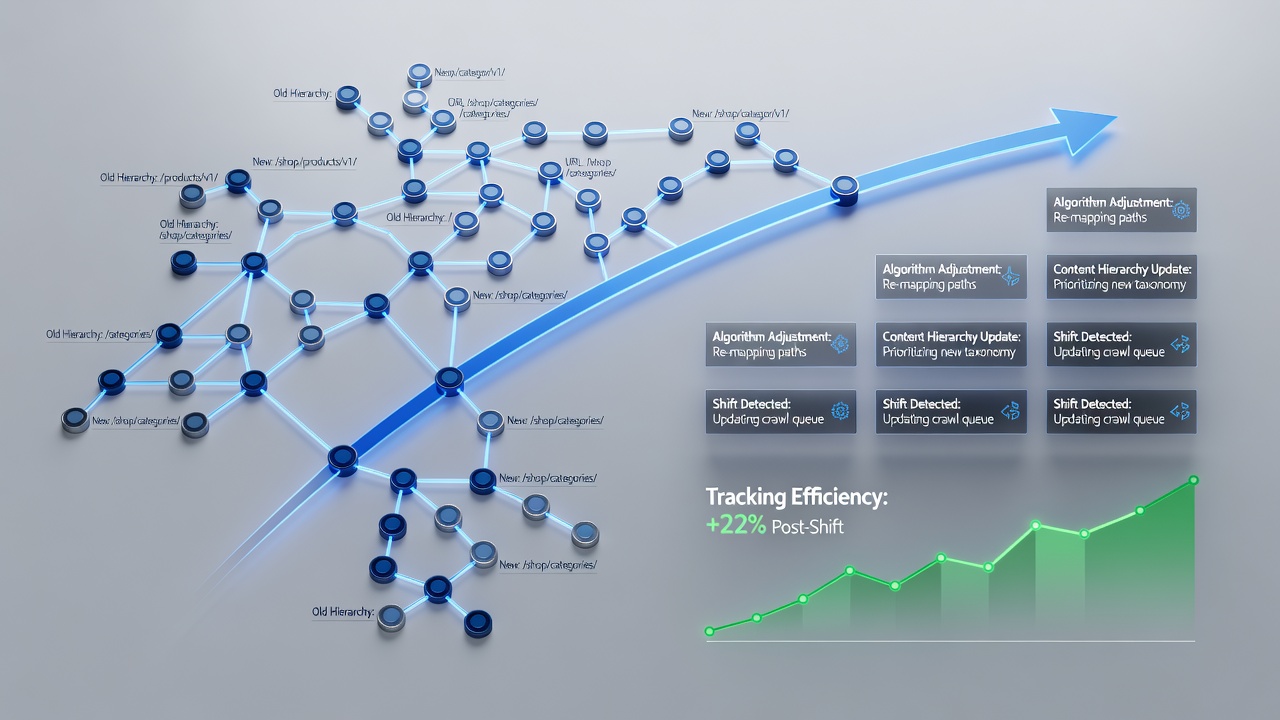
Figures released by the Australian Competition and Consumer Commission in late 2025 indicated that e-commerce domains adjusting category structures ahead of seasonal traffic peaks recorded measurable differences in how quickly new product pages appeared in search results. Sites that placed new categories at the root level rather than under /shop/ or /products/ subdirectories showed faster indexing cycles following the observed update period. Those maintaining deeper paths experienced longer delays between content publication and first crawl, even when the new pages carried identical schema markup and internal link equity.
September 2026 Update Observations
During September 2026, several large-scale sites reported simultaneous changes in crawl volume that aligned with reported algorithm modifications. Analysts tracking these events found that domains which had recently consolidated multiple subdomains into a single root domain experienced sharper increases in indexed page counts than domains that kept separate subdomains for different content types. The pattern suggested that the update placed greater emphasis on unified site architecture when evaluating topical breadth. Sites that had already moved blog content, resource libraries, and product documentation under one domain structure recorded the largest gains in pages indexed within the first two weeks after the update rolled out.
Monitoring services also noted that breadcrumb implementation became more influential in determining which pages appeared in sitelinks. Domains that updated their content hierarchy to support consistent breadcrumb trails across all sections saw improved sitelink display rates compared with sites whose navigation remained inconsistent after the same structural changes. These outcomes emerged from direct comparison of crawl logs and search console data collected across the same September timeframe.
Conclusion
Tracking algorithm shifts through site architecture and content hierarchy provides concrete signals that researchers and site operators can use to interpret ranking changes. By measuring crawl depth, indexing speed, and internal link distribution before and after updates, patterns become visible that would otherwise remain hidden in aggregate ranking reports. Continued observation of these structural responses helps clarify how search systems prioritize different layers of website organization over time.