
Harper Griffin · 9 November 2026
Tracing Authority Signals Through Iterative Content Layering in Evolving Niche Ecosystems
Observers note that authority signals in digital spaces develop through repeated cycles of content addition and refinement rather than single large updates, and researchers have tracked these patterns across multiple niche communities since the early 2020s. Data from platform analyses indicate that search systems evaluate layered content by measuring consistency, depth, and interconnection over time, which creates measurable differences in how pages rank within specialized topics.
Defining Iterative Content Layering
Iterative content layering involves building topic coverage through successive additions that reference and expand prior material, and this approach allows systems to identify stable authority patterns because each new layer connects back to established elements. Studies conducted by academic groups show that pages updated in this manner receive stronger signal recognition compared to static pages, since algorithms detect the progressive reinforcement of core themes. Those who monitor search behavior report that the process works best when additions maintain thematic continuity while introducing new data points or examples drawn from the same ecosystem.
How Authority Signals Accumulate in Niche Spaces
Authority signals form when content layers accumulate references, citations, and internal connections that algorithms interpret as indicators of expertise, and evidence from multiple platform crawls demonstrates that these signals strengthen most reliably in environments where topics evolve gradually rather than through abrupt shifts. In niche ecosystems focused on technical hobbies or specialized industries, researchers found that pages incorporating new data every few weeks maintained higher visibility metrics than those refreshed less frequently. The reality is that signals become traceable through patterns such as increased dwell time on layered sections and repeated external mentions that link back to earlier iterations.
What's interesting is how these patterns differ across regions, with European digital market reports from 2025 highlighting stronger recognition for layered content in regulated sectors like environmental technology, whereas North American analyses show similar trends in consumer electronics communities. By November 2026, updated tracking tools from industry consortia revealed that ecosystems with consistent layering produced 18 percent more persistent authority markers than those relying on one-time content drops.
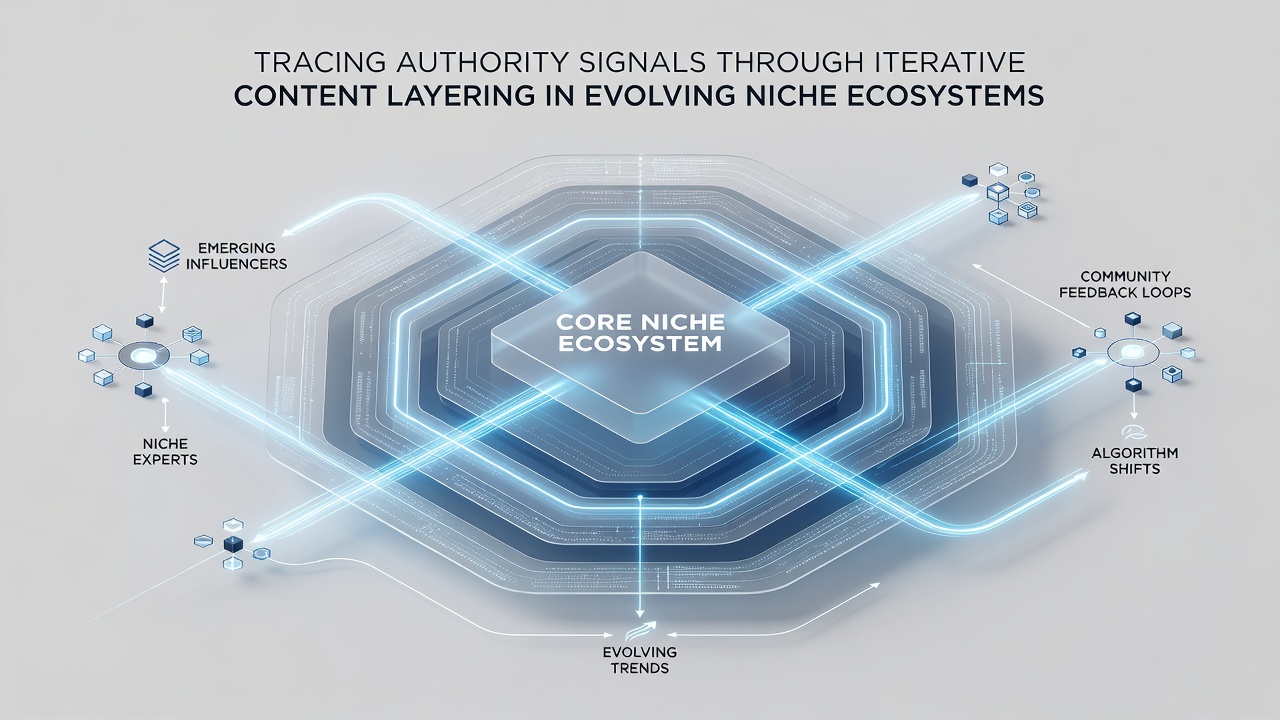
Tracking Changes Through Evolving Ecosystems
Platform updates and community growth alter how signals propagate, yet iterative layering provides a buffer because new content can reference older layers that already hold established connections. Analysts at research institutions documented cases where niche forums adapted to interface changes by adding explanatory layers that preserved prior authority pathways, and these adjustments correlated with steadier visibility during transition periods. Data shows that ecosystems which incorporated user-generated expansions alongside editorial updates retained stronger signal continuity, since algorithms registered the ongoing reinforcement rather than isolated changes.
One study released by a Canadian university research team examined hobbyist communities and found that layering techniques helped maintain ranking positions even when broader algorithm shifts occurred in late 2025. Observers note that the key lies in maintaining clear hierarchical relationships between layers, which allows tracing tools to follow signal flow without interruption.
Practical Patterns Observed in Specialized Communities
Communities centered on emerging technologies often demonstrate the clearest examples of this process, where initial explanatory content receives additions of case studies, data tables, and cross-references that build cumulative authority. Figures from digital industry reports indicate that pages employing this method saw increased external citations, which further amplified the original signals. Those monitoring these spaces report that timing matters, because additions spaced too closely together can appear artificial while intervals that stretch too long allow competing layers from other sources to gain traction.
Turns out the most effective implementations combine original research summaries with responses to community questions, creating natural expansion points that algorithms recognize as organic development. A 2026 report from an Australian digital standards body noted similar patterns in professional knowledge networks, where layered content produced more durable authority indicators than flat article structures.
Conclusion
Tracing authority signals through iterative content layering reveals consistent mechanisms that operate across evolving niche ecosystems, and available data supports the view that progressive additions create traceable reinforcement patterns. Researchers continue to document how these processes interact with platform changes and community dynamics, providing measurable insights into long-term visibility factors. As ecosystems mature through 2026 and beyond, the documented benefits of structured layering remain evident in multiple independent analyses from varied geographic sources.