
Yves Simon · 12 October 2026
Navigating Visibility Challenges After Platform Updates in Specialized Online Communities
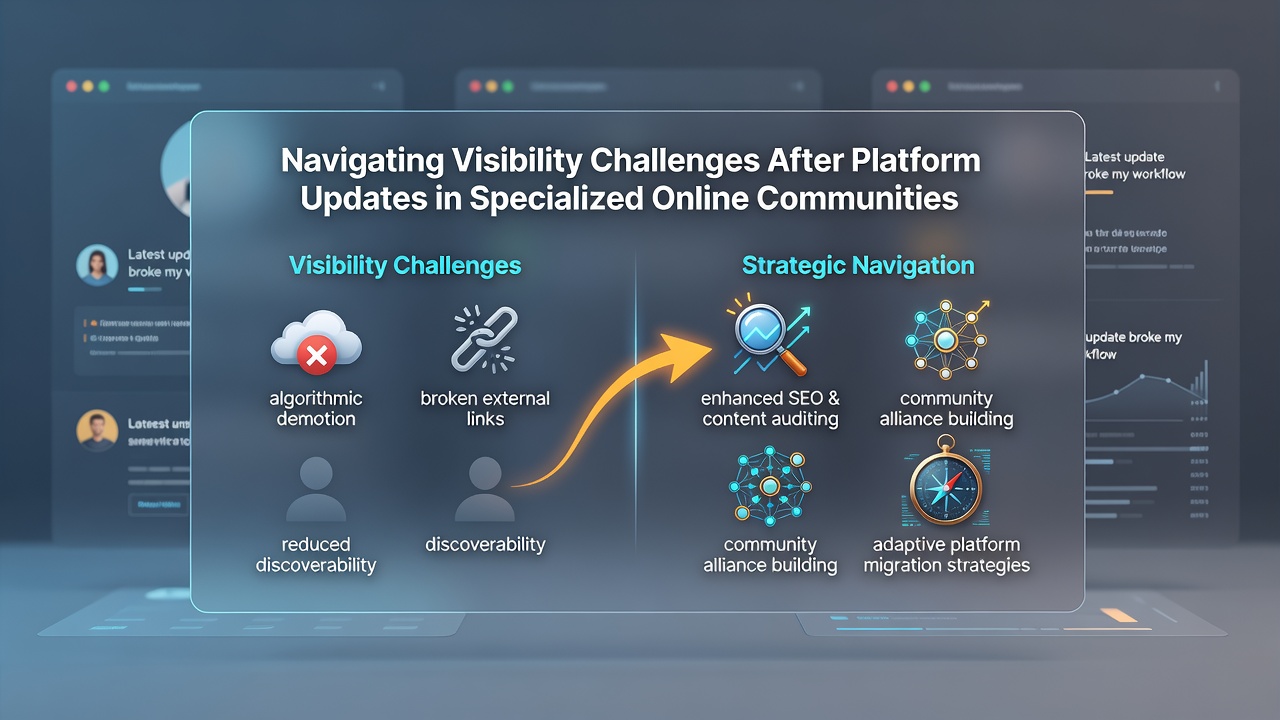
Specialized online communities often experience shifts in content reach when platforms introduce new ranking systems or interface redesigns and observers note that these changes frequently alter how posts surface in feeds or search results. Data from various network analyses shows that updates to moderation tools and recommendation engines can reduce exposure for certain threads while boosting others based on engagement signals that administrators may not have anticipated.
Common Triggers Behind Reduced Visibility
Platform operators roll out changes to content hierarchy and tagging structures and these modifications sometimes deprioritize older discussion formats in favor of newer media types. Researchers tracking community behavior have documented cases where niche hobby forums lost traffic after updates emphasized short-form video over text threads whereas academic or technical groups saw similar drops when search indexing adjusted to favor verified accounts. In October 2026 several specialized platforms introduced revised spam filters that flagged repetitive links more aggressively and figures from independent audits revealed measurable declines in cross-post visibility for smaller subgroups.
Those who monitor these environments point out that algorithm adjustments often coincide with broader policy updates aimed at compliance with digital service regulations. European Commission reports on platform transparency highlight how automated systems can inadvertently suppress content from communities that discuss sensitive but legitimate topics and similar patterns appear in data collected by Australian government agencies tracking online safety initiatives.
Impact on Different Community Types
Gaming enthusiast groups frequently report sudden drops in tournament announcement reach after platforms tweak discovery features and studies from university research centers indicate that such shifts correlate with changes in user retention rates. Professional development networks face parallel issues when updates prioritize activity metrics that favor high-volume posters over in-depth contributions from subject matter experts.
Observers tracking hobbyist collectives note that updates to mobile app layouts sometimes bury long-form resources beneath image carousels and this reorganization affects how new members locate foundational guides. Data collected across multiple regions shows that communities centered on regional issues or language-specific discussions encounter additional hurdles when translation tools receive priority in search algorithms.
Approaches Communities Use to Maintain Reach
Administrators often experiment with adjusted posting schedules and revised content tagging to align with new ranking criteria and evidence from platform case studies suggests these adaptations can restore partial visibility within weeks. Members of affected groups sometimes create supplementary channels on alternative services to maintain continuity while primary platforms stabilize their systems.
Industry analyses from research institutions demonstrate that communities investing in member education around new features tend to recover engagement faster than those relying solely on organic discovery. Government reports on digital markets indicate that transparency requirements now encourage platforms to publish more details about ranking factors and this information helps community leaders anticipate future disruptions.
Longer-Term Patterns Observed Across Platforms
Longitudinal data reveals that visibility fluctuations rarely remain permanent because platforms continue iterating on their systems and communities that track these cycles develop internal documentation to guide responses. Patterns observed in both North American and Asian networks show that groups maintaining diverse posting formats experience less severe impacts when single-format preferences shift.
Those studying online governance note that regulatory frameworks in different jurisdictions increasingly require platforms to provide clearer notifications about major changes and this requirement gives community operators more time to prepare adjustments. Research from academic sources continues to examine how these dynamics influence information flow within specialized populations over extended periods.
Conclusion
Platform updates continue to reshape visibility dynamics within specialized online communities and available data points to ongoing adaptation as the primary response mechanism. Communities that monitor ranking signals and maintain flexible content strategies demonstrate measurable resilience according to multiple tracking efforts. Continued documentation of these shifts supports better understanding of how network architectures influence group communication over time.